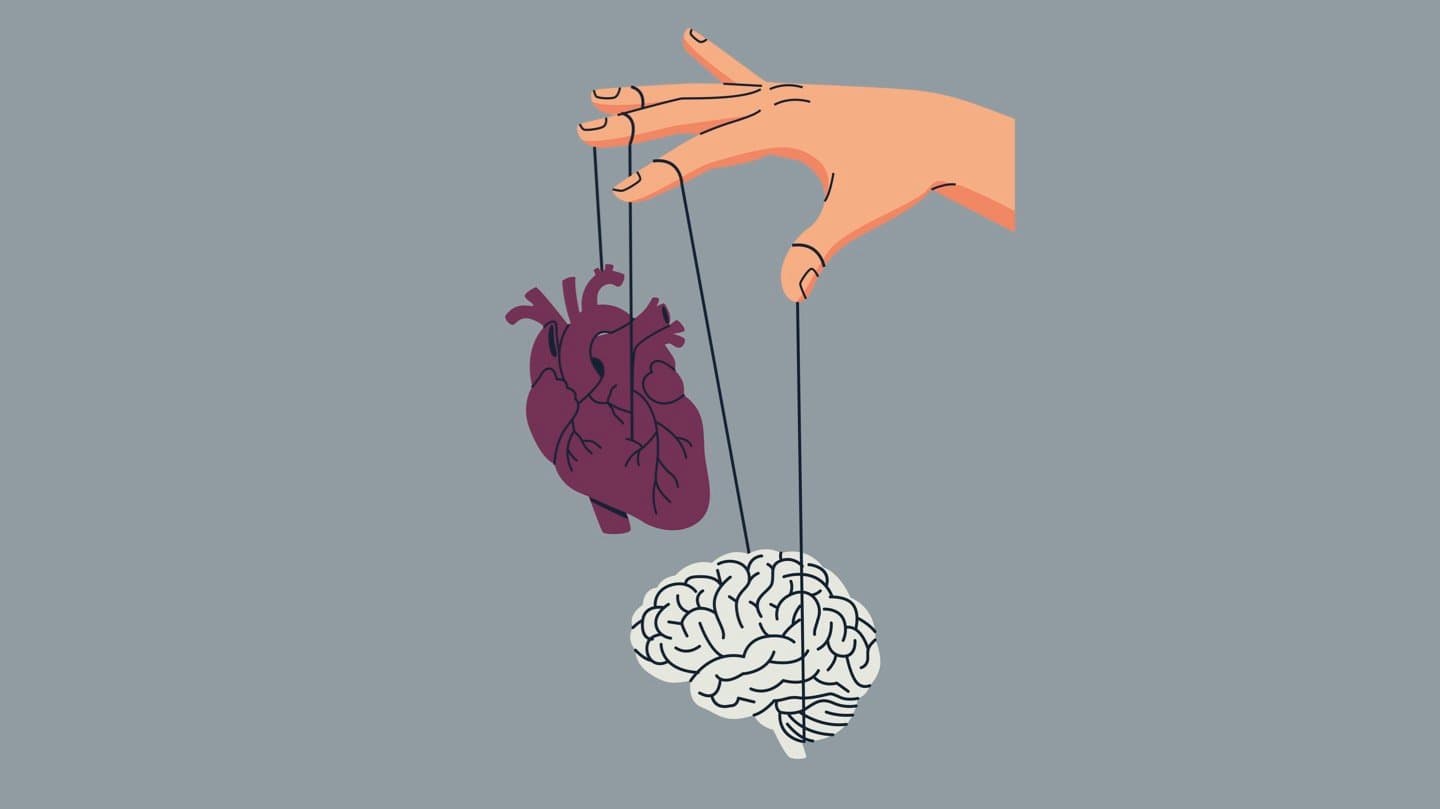
Technical expertise, qualifications, and experience are important — but they no longer determine professional success on their own. In a working world shaped by teamwork, customer interaction, and constant change, another factor is becoming increasingly important: emotional intelligence. It influences how well you communicate with others, resolve conflicts, accept feedback, and build trust. For job seekers in particular, it can make the difference in an interview — and later in everyday working life. But how exactly does emotional intelligence impact professional success, and how can it be developed in a targeted way?
1. Self-awareness as the foundation for smart decisions
Emotional intelligence begins with the ability to recognize your own emotions, reactions, and stress patterns. Understanding why certain situations trigger nervousness, insecurity, or frustration helps you deal with them more consciously. At work, this self-awareness helps you appear more confident, communicate more clearly, and make thoughtful decisions. People with strong self-awareness recognize early when stress or emotions might influence their decisions and can counteract accordingly. This inner clarity creates the basis for authentic behavior and long-term growth.
2. Empathy: The key to strong professional relationships
Empathy means understanding the perspectives and feelings of others without judging too quickly. In a professional context, this significantly improves collaboration with colleagues, managers, and customers. Those who respond empathetically recognize unspoken expectations, can better address needs, and build trust more quickly. Empathetic people often detect tensions or uncertainties within a team early on and can help address conflicts constructively and find solutions. This shows that you are not only a professional fit but can also integrate well into the team on a personal level.
3. Emotional self-regulation for professional behavior under pressure
Tight deadlines, critical feedback, or unexpected rejections are part of working life and job searching. Emotional intelligence helps you stay calm and respond constructively instead of reacting impulsively. Those who can regulate their emotions appear resilient, solution-oriented, and professional. Especially in challenging situations — such as team conflicts or unexpected project issues — emotional self-regulation helps you remain objective and develop solutions together. At the same time, this ability strengthens personal resilience in the long term and prevents short-term setbacks from permanently affecting self-confidence.
4. Communication with impact: Clear, respectful, and convincing
Emotional intelligence is strongly reflected in how you communicate. This includes formulating messages clearly, listening actively, and correctly interpreting nonverbal signals. In the workplace, this leads to fewer misunderstandings, more efficient collaboration, and a constructive working environment. Those who listen attentively and pay attention to nuances can guide conversations more effectively and prevent misunderstandings early. Good communication does not mean saying a lot — it means saying the right thing, in the right tone, at the right time.
5. Developing and strengthening emotional intelligence
The good news: emotional intelligence is not an innate trait — it can be trained. Reflecting after conversations or work situations helps you better understand your reactions and learn from them. Feedback from others can provide valuable insights into how your behavior is perceived and where there is room for growth. Conscious listening, perspective-taking, and observing team dynamics also foster empathetic thinking. Those who continuously work on these skills not only improve their social competencies but also sustainably increase their career opportunities.
Conclusion
Emotional intelligence often influences professional success more than it may seem at first glance. It helps you understand yourself better, build relationships, stay composed under pressure, and communicate clearly. Especially during a job search, it can be decisive in making a positive and lasting impression. It is also a skill that can be actively developed through reflection, feedback, and conscious practice in everyday situations. Strengthening empathy and emotional competence therefore means investing directly in your professional future.