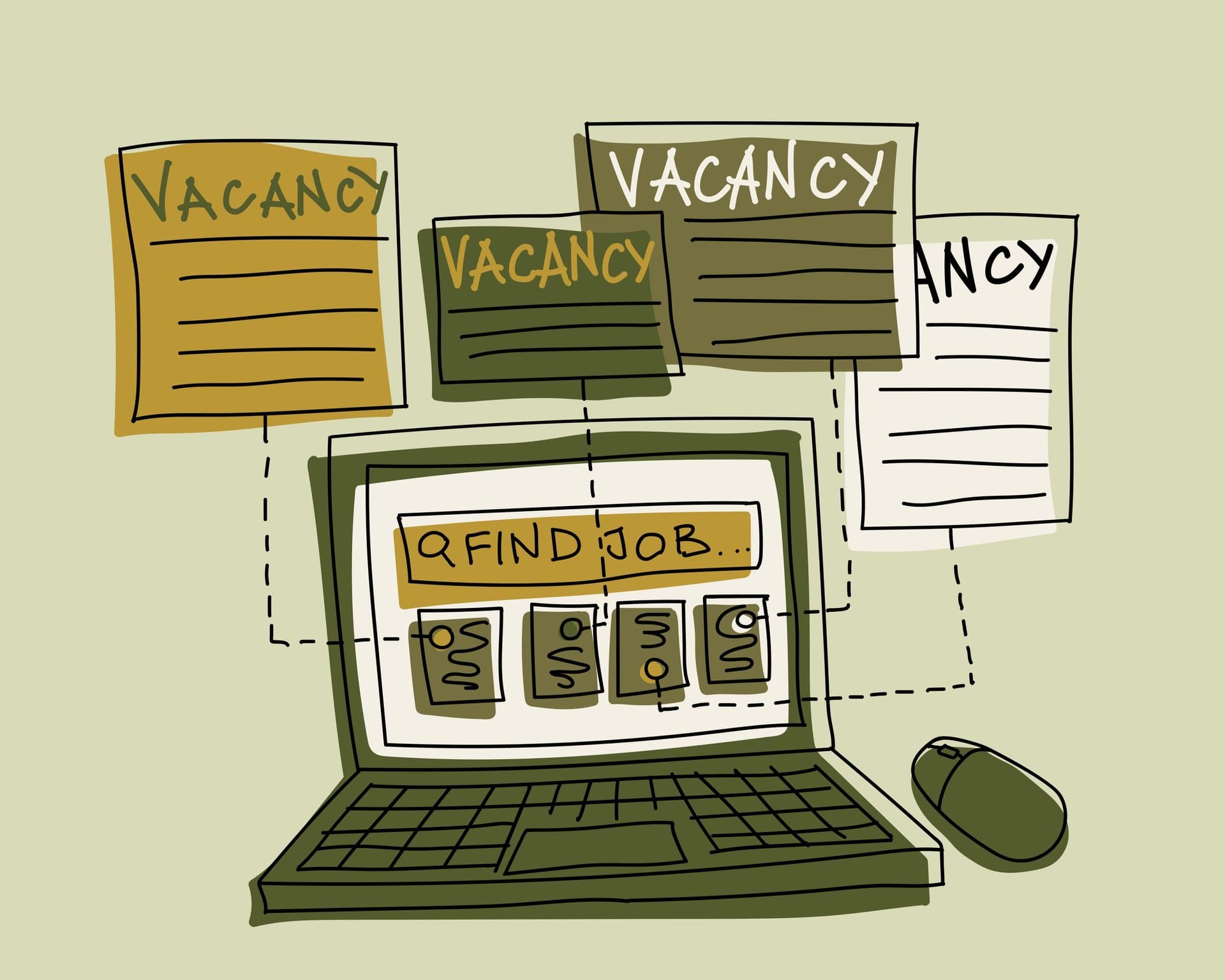
The skills shortage is real, and competition for talent is more intense than ever. Candidates now research digitally, quickly, and selectively. Even before an application is submitted, a single click often determines whether interest is sparked or lost: the click on the careers page.
Yet many companies still treat their careers page like a digital business card — static, text-heavy, and filled with PDF downloads instead of real user guidance. In reality, it has long become a strategic recruiting tool. It is a touchpoint, conversion tool, employer-branding stage, and data source all in one.
It serves not only as an information platform but as an active lever in the recruiting process. The following tips show what really matters.
1. First impressions matter
The careers page is often the first direct contact between a company and potential talent. Even before an interview or job ad, candidates form an impression of culture, professionalism, and values here. An outdated page with generic text blocks or confusing navigation quickly feels impersonal or interchangeable.
By contrast, a clear structure, authentic insights, and a mobile-optimized presentation signal appreciation and modernity. Candidates transfer the digital experience directly to the expected employee experience. A modern careers page therefore strengthens your position as an attractive employer brand.
2. Conversion instead of information
Many careers pages provide extensive information but fail to lead to an application. Long texts, hidden job listings, or complex processes discourage interested candidates. The goal should be to keep the barrier to applying as low as possible.
A clear call-to-action, intuitive navigation, and concise, understandable content significantly increase conversion. Most crucial: the application process itself. If candidates must first download a PDF, fill it out, and send it back by email, you risk losing valuable talent.
Modern solutions enable applications in just a few clicks — for example, directly via a LinkedIn profile, without a motivation letter and without media breaks. This is exactly where my.two.jobs comes in, radically simplifying the process and optimizing it for user-friendliness.
3. Mobile usage can decide applications
Most job searches now happen on mobile devices. Anyone clicking on a job ad while on the go and landing on a non-mobile-optimized careers page will quickly leave. Long loading times, unreadable PDFs, or forms that are difficult to use on smartphones cost you applications.
A modern careers page must be responsive and present content in a clear structure. Short sections, visual elements, and fast loading times are essential. Companies investing here signal digital competence — a decisive factor, especially for younger target groups.
4. Show what your company is really like
A careers page is more than a collection of open positions. It is where your company culture becomes visible. Instead of phrases like “young, dynamic team,” real insights work better: employee testimonials, short videos, interactive elements, or a culture quiz.
Interactive formats not only increase time spent on the page but also identification. Matching tools or short quiz formats help candidates see themselves in the company. Such gamified elements can be integrated directly into the application process with my.two.jobs.
5. Optimize recruiting with real data
A modern careers page delivers valuable insights. How many people abandon the application process? Which roles get the most clicks? Which channels bring qualified candidates?
Anyone running their careers page as a static HTML site misses this potential. Integrated tracking and analytics functions help continuously optimize the process. Recruiting thus becomes measurable and strategically manageable.
Digital recruiting platforms like my.two.jobs connect the careers page, application process, and performance data in one system, creating transparency along the entire candidate journey.
6. The careers page as a strategic recruiting tool
An outdated careers page with PDF downloads is now more risk than solution. It signals stagnation in a time when speed, user-centricity, and digital experience are decisive.
Anyone thinking strategically about recruiting should view the careers page as a central element of talent acquisition, not as a mandatory footer page. With my.two.jobs, a careers page becomes an active lead generator through simple applications, matching mechanisms, and optimized candidate journeys.
The goal is clear: fewer barriers, more suitable applications.
Conclusion
Your careers page is not a nice-to-have — it’s a recruiting tool.
It shapes first impressions, influences conversion rates, conveys company culture, and delivers valuable data.
Outdated processes and complicated application paths hold talent back and no longer feel up to date. A modern, mobile-optimized, and interactive careers page, on the other hand, increases not only application numbers but also candidate quality.
Anyone wanting to future-proof their recruiting should strategically develop their careers page: away from static information and toward real candidate experience.
We’ve summarized the key reasons for the central role of the careers page in recruiting here.